COUNTRY: USA
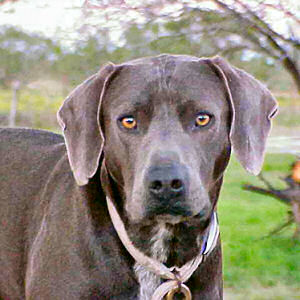
The boast is that a Blue Lacy dog can do the work of five cowboys, and deluxe workers they are. They arrived "out West" by covered wagon from Kentucky in 1858, brought by the Lacy brothers.
Blue Lacy dogs are in the category of curs, with the emphasis on the herding/droving characteristics. They—like their relatives the Catahoula —were created for specific needs of colonial Americans. Blue Lacy dogs are said to be the result of Greyhound / Scent hound/ coyote cross. Droving dogs could have contributed to the breed as well. The origin of the unusual slate blue color (and blue nose) is a genetic rarity. Few dogs have this coloration—the Bearded Collie, the Neapolitan Mastiff, the Greyhound—so the Greyhound contribution to the Blue Lacy dog’s genetic make-up is a likely one. The so-called coyote in the cross could easily have been feral pariah dogs common in the southeastern United States.
Blue Lacys were seen regularly on southwestern ranches for nearly a hundred years. Diane Gentry points out that they came close to disappearing when "modern cowboys on three-wheeled motorbikes" hit the trails.
H. C. Wilkes was determined to save the breed and has worked since 1975 to do just that. They are finding favor with ranchers due to their burning desire to work. A Lacy can handle the meanest longhorn cattle and take to the job instinctively, requiring no training. Blue Lacy's can also tackle wild hogs, but can herd chickens in the barnyard as well. Their owners claim they're a good all-around dog, knowing just where to be at the appropriate time and diving into chores without being told to do so. Some will also tree game. They have a gentle nature and take direction with ease.
No comments:
Post a Comment